

Interior Material Pricing Guide: How Designers Should Estimate Project Costs
Accurate material costing is one of the most critical skills for interior designers in 2026. With rising material prices, tighter client budgets, and increasing demand for transparency, estimating project costs correctly can determine whether a project is profitable or problematic.
This guide breaks down how designers should estimate interior material costs, what factors influence pricing, and how to avoid common mistakes while budgeting for kitchens, wardrobes, and full-home interiors.
1. Start with Zoning, Not Materials

The biggest mistake designers make is pricing materials without defining usage zones. In 2026, smart costing starts by dividing the project into zones:
-
Wet zones (kitchens, utility areas, sink units)
-
Semi-wet zones (balcony wardrobes, bathrooms)
-
Dry zones (bedrooms, living rooms, TV units)
-
Decorative zones (panels, partitions, feature furniture)
Each zone demands different materials and therefore different pricing benchmarks.
2. Core Board Costs: The Foundation of Pricing
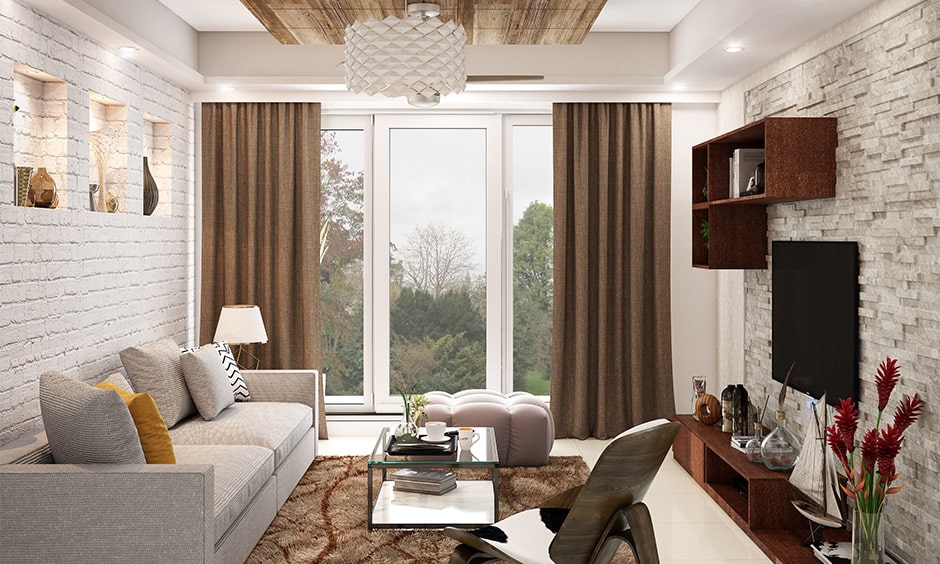 pically account for 35–45% of material costs in a modular project.
Plywood
Used for structural and moisture-prone areas.
Price depends on:
-
Grade (MR, BWR, BWP)
-
Thickness (commonly 18mm)
-
Core quality and calibration
Explore plywood options:
https://khidkihomes.com/collections/plywood
Designers should always allocate higher plywood budgets for kitchens and utility areas.
MDF and HDHMR Boards
Used for shutters, panels, and decorative elements.
Pricing varies by:
-
Density
-
Moisture resistance (interior MDF vs HMR vs HDHWR)
-
Thickness
Explore MDF and HDHWR boards:
https://khidkihomes.com/collections/mdf-hdhwr-boards
In 2026, HDHMR boards are increasingly priced closer to plywood but offer better finish consistency.
3. Surface Finishes: Where Budgets Swing Widely

Surface finishes can vary dramatically based on design intent.
Decorative Laminates (1mm)
Commonly used for:
-
Wardrobe shutters
-
Kitchen shutters
-
Panels and cabinets
Cost factors include:
-
Finish (matte, gloss, soft-touch)
-
Texture complexity
-
Thickness
Explore laminate collections:
-
Saket 1mm Laminates:
https://khidkihomes.com/collections/saket-1mm -
Trendsetter 1mm Laminates:
https://khidkihomes.com/collections/khidki-trendsetter-1mm-laminates
Designers should allocate laminate budgets per square foot, not per sheet, to avoid miscalculations.
Acrylic Laminates
Used for premium kitchens and feature shutters.
They cost more than standard laminates but cover fewer surfaces.
Explore acrylic options:
https://khidkihomes.com/collections/khidki-acrylic
Acrylic pricing should be isolated to highlight premium upgrades clearly to clients.
4. Interior Finishes Often Missed in Costing

Liner Laminates (0.72mm)
Used inside wardrobes and cabinets.
Designers often forget to include these in estimates, leading to last-minute cost escalations.
Explore liner laminates:
https://khidkihomes.com/collections/laminates
They are cost-efficient but essential for hygiene and finish quality.
PVC Edge Bands
Edge banding is small per unit but significant across a project.
Explore edge bands:
https://khidkihomes.com/collections/khidki-pvc-edge-bands
Designers should price edge bands per running foot, not as an afterthought.
5. Hardware: The Silent Cost Driver
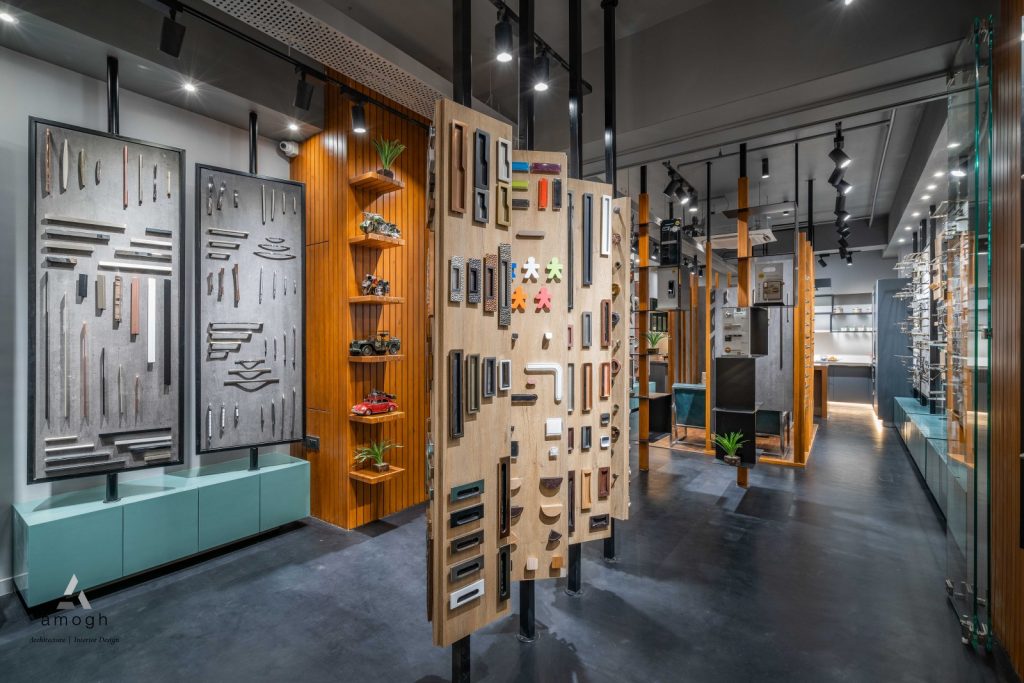
Hardware impacts usability, longevity, and client satisfaction.
Key pricing factors:
-
Soft-close vs standard
-
Load capacity
-
Drawer system type (telescopic vs tandem)
Explore kitchen and wardrobe hardware:
https://khidkihomes.com/collections/kyzen
Hardware usually contributes 10–15% of total material cost, but poor estimation here leads to margin loss.
6. How Designers Should Build a Cost Estimate (Step-by-Step)
-
Measure total furniture area in square feet
-
Allocate zones (wet, dry, decorative)
-
Assign board type per zone
-
Add surface finishes per visible and non-visible areas
-
Include liner laminates for interiors
-
Add edge band and adhesive costs
-
Add hardware separately
-
Include 5–8% buffer for wastage and design changes
This layered approach prevents under-quoting.
7. Common Pricing Mistakes Designers Should Avoid
-
Using one board type everywhere
-
Ignoring internal finishes
-
Underestimating hardware costs
-
Quoting laminate prices without edge bands
-
Not accounting for wastage
-
Mixing material grades without client clarity
Clear break-ups build trust and reduce disputes.
8. Final Recommendation for 2026 Projects
Interior pricing in 2026 is no longer about lowest cost. It is about predictability, transparency, and performance.
Designers who:
-
Understand material behaviour
-
Break costs zone-wise
-
Communicate upgrades clearly
-
Use consistent suppliers
are able to protect margins while delivering high-quality interiors.
For material guidance, pricing clarity, or bulk sourcing:
Call 08045888842
Visit www.khidkihomes.com

